Many people spend a significant portion of their leisure time looking for ways to stay active and socially engaged, yet often overlook emerging sports that offer unique benefits.
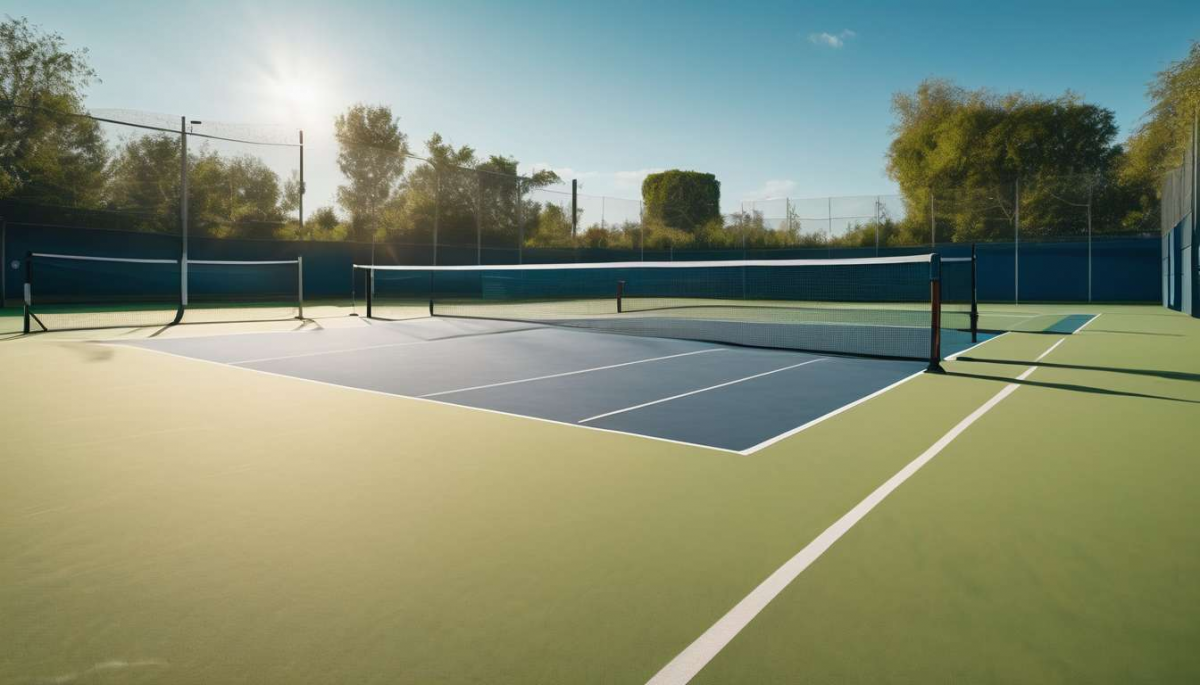
Padel, a relatively new sport that combines elements of tennis and squash, addresses the common challenge of finding an activity that is both physically demanding and accessible to all skill levels. With its origins in Mexico and rapid growth across Europe, Padel is gaining popularity due to its blend of:
- Social interaction
- Strategic gameplay
- Physical fitness
Its small court size and simplified scoring system make it easier for beginners to pick up, while still providing a competitive edge for experienced players.
Facilities and clubs dedicated to Padel are increasingly common, yet the sport remains underrepresented in many regions. Overcoming this gap could provide countless individuals with an engaging, healthy alternative to traditional sports, addressing both physical and social needs in a single, enjoyable activity.
To learn more about Padel and find facilities near you, visit https://www.courtbrain.com/bristol-padel.
The Unique Blend of Padel
Padel uniquely blends elements of tennis and squash, creating a dynamic and accessible sport for players of all skill levels. This sport has gained popularity due to its inclusive nature, making it easy for individuals from diverse backgrounds to engage in a shared experience.
Court Design and Social Interaction:
- The design of the court, surrounded by glass walls, encourages continuous play and interaction among participants.
- The compact size of the padel court, compared to a tennis court, ensures that players remain in close proximity.
- This setup fosters a social environment conducive to camaraderie and collective enjoyment.
Accessibility and Inclusivity:
- Accessibility remains a hallmark of padel, as the sport accommodates varying skill levels without compromising on enjoyment or competitiveness.
- The rules of padel are relatively straightforward, enabling newcomers to quickly grasp the essentials and actively participate.
Community and Belonging:
- This ease of access contributes to a sense of belonging within the community, as individuals find it easier to connect and form relationships through this shared sporting activity.
- The inclusive nature of padel truly enhances its appeal, drawing diverse groups together.
Overall, padel’s inclusive nature and social environment make it an appealing choice for players looking to enjoy a fun and engaging sport.
Benefits of Padel for All
Countless individuals experience enhanced physical fitness and mental well-being through engaging in padel. This sport, known for its dynamic nature, offers a comprehensive workout that improves:
- Cardiovascular endurance
- Strength
- Flexibility
Padel’s accessibility makes it suitable for diverse age groups and skill levels, ensuring inclusivity within the sporting community. The simplicity of the rules further enhances its appeal, allowing newcomers to quickly grasp the fundamentals and actively participate.
Moreover, padel fosters social connections, as it is typically played in doubles, encouraging teamwork and communication. The social aspect of padel contributes to a sense of belonging, as players form bonds with teammates and opponents alike, promoting a vibrant and welcoming community atmosphere.
Opportunities for networking and friendship development abound within local clubs and leagues, enriching participants’ social lives.
In addition to physical benefits, padel serves as a mental respite, reducing stress and enhancing cognitive function. This holistic approach makes padel an attractive option for those seeking physical health and social engagement.
Padel’s Growing Popularity Worldwide
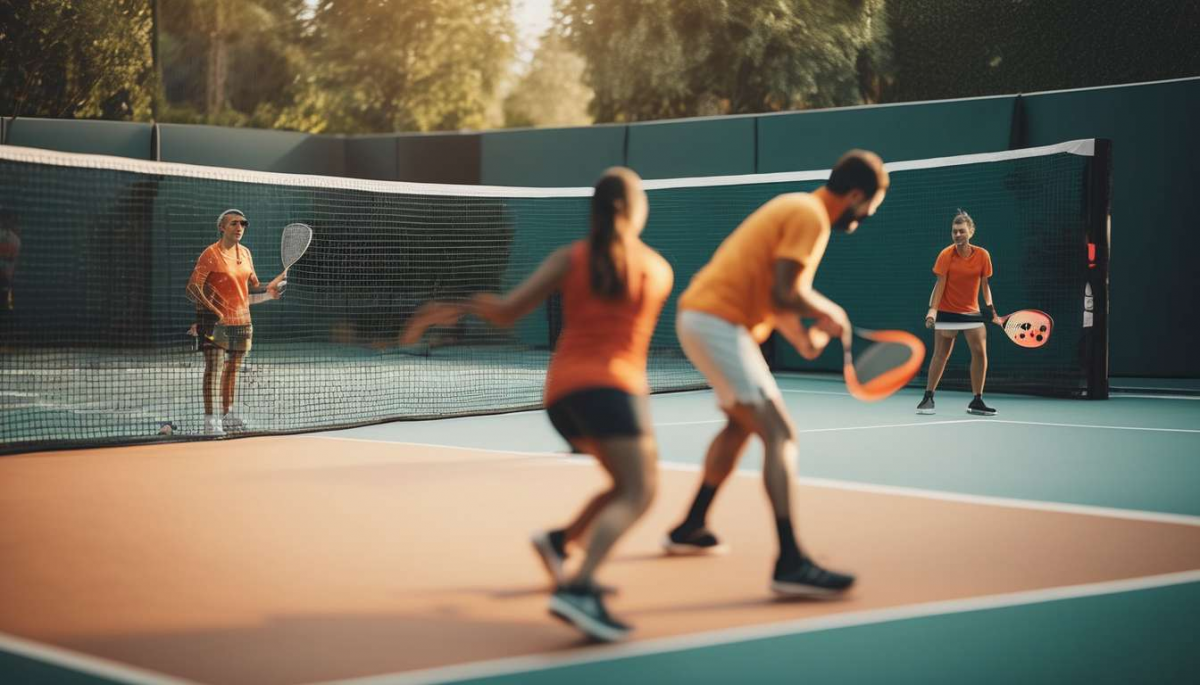
In recent years, Padel has captured the interest of millions globally, with its rapid expansion evident in the increasing number of courts and clubs across continents.
Padel continues to gain momentum, particularly in Europe and South America, where its unique blend of tennis and squash elements attracts diverse participants.
This growth is supported by the sport’s accessibility, as it requires minimal specialized equipment and can be played in various settings, from urban areas to suburban communities.
The social nature of Padel further contributes to its widespread appeal. Participants often engage in doubles matches, fostering camaraderie and teamwork. This aspect attracts both recreational players and those seeking a competitive edge, creating a sense of community among enthusiasts.
Moreover, the sport’s inclusive environment encourages interaction between players of different skill levels, enhancing its reputation as a welcoming activity.
As Padel’s popularity continues to rise, its presence on the global sports stage seems poised for further expansion.
Accessibility and Inclusivity of Padel
A wide range of participants can enjoy Padel due to its low-cost equipment and the sport’s adaptability to various environments.
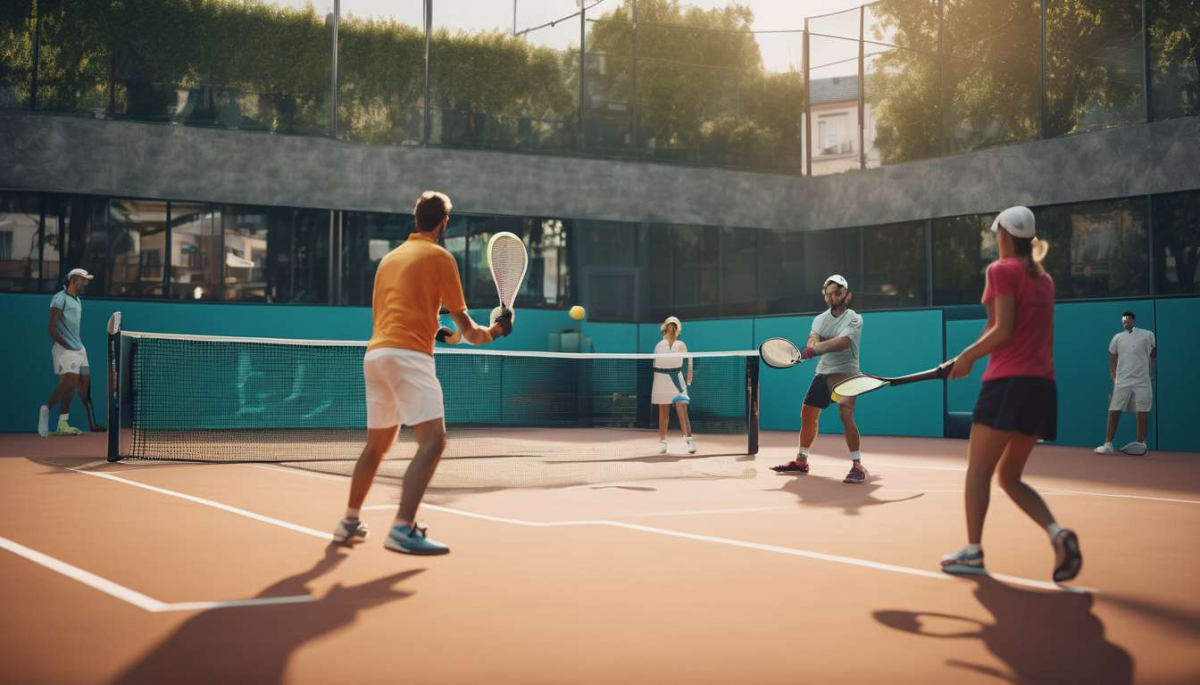
Padel provides accessibility by offering affordable rackets and balls, making it an attractive option for communities seeking inclusive recreational activities. Its courts, which are smaller than traditional tennis courts, can be easily integrated into existing sports facilities, enhancing the sport’s reach.
The social aspect of Padel further contributes to its appeal.
Played in doubles, the sport encourages interaction and teamwork, fostering a sense of community among players. This sociable nature makes Padel an ideal choice for those looking to connect through sport, breaking barriers that often hinder participation in more individual-focused activities.
Moreover, the sport’s design accommodates players of various skill levels and physical abilities, promoting inclusivity.
- Padel’s low-impact nature reduces the risk of injury, allowing participants of different ages and fitness levels to engage comfortably.
Overall, Padel represents an accessible and inclusive sport, enriching communities and promoting social bonds.
Why Padel is Easier to Learn
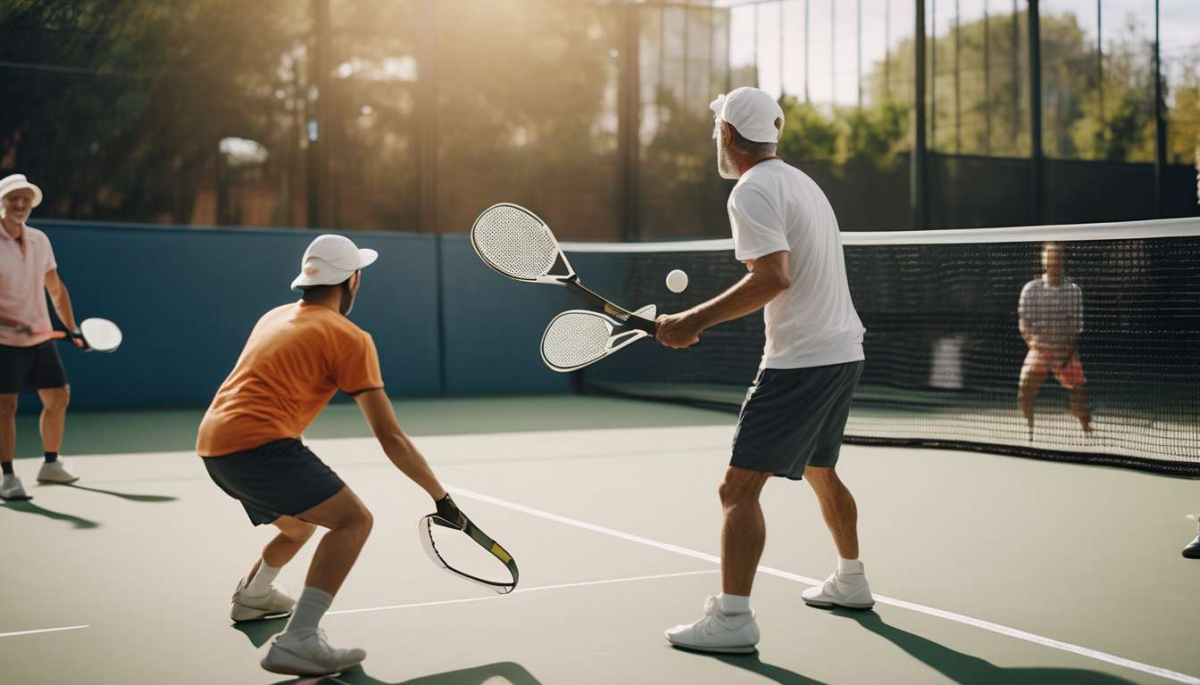
Many find learning Padel easier due to its simplified rules and shorter court dimensions, which enhance player engagement and enjoyment from the onset.
- The compact size of the court allows easier access to the ball, reducing the physical demands often associated with larger playing fields.
- This accessibility encourages individuals of varying athletic abilities to participate, fostering a welcoming environment for newcomers.
Padel’s rules are straightforward, resembling a blend of tennis and squash, which makes it easier for beginners to grasp basic gameplay strategies quickly.
- By simplifying the entry-level learning curve, Padel allows players to focus on enjoying the game rather than grappling with complex regulations.
Consequently, the sport becomes an inclusive option for those seeking a new recreational activity.
Furthermore, Padel’s inherently social nature contributes to its appeal.
- The doubles format encourages teamwork and communication, enhancing the sense of community among participants.
- This social aspect, combined with the sport’s accessibility, provides an inviting atmosphere, making Padel an attractive choice for those looking to connect with others through physical activity.
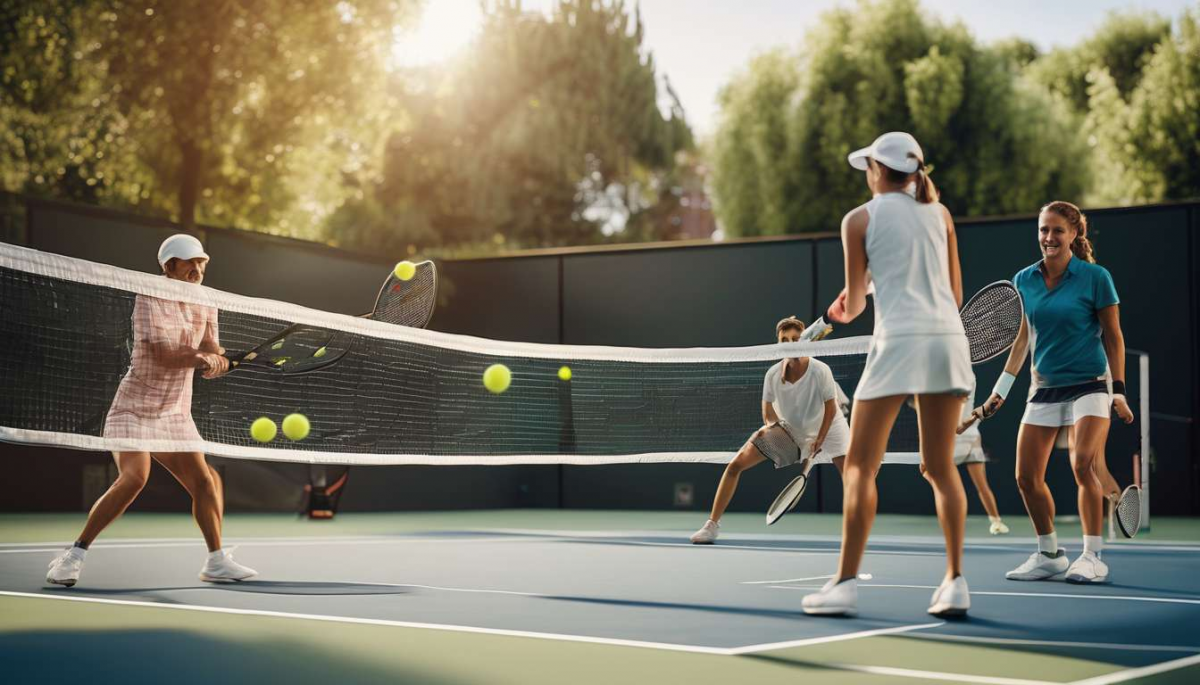
Padel as a Social and Active Choice
Embracing Padel offers numerous opportunities for engaging in both social interaction and physical exercise. This dynamic sport, with its roots deeply embedded in community participation, enables players to form connections while enjoying the benefits of an active lifestyle.
Accessibility is a significant factor contributing to the widespread popularity of Padel.
- With courts available in various locations
- Equipment that is easy to obtain
Individuals from all walks of life can participate without barriers.
Padel’s doubles format fosters a collaborative environment, encouraging teamwork and camaraderie among players. The sport’s social nature creates an inviting atmosphere where participants can bond over shared experiences and mutual goals.
The structured yet informal setting allows for:
- Serious competition
- Casual play
This caters to a diverse range of skill levels.
Moreover, Padel clubs often organize events and gatherings that further enhance the sense of community. These events offer members a chance to expand their social networks while engaging in healthy physical activity.
